
About Mark Daniel
Author. Speaker. Social Critic.
Mark Daniel is a Caribbean author, speaker, and social critic exploring the intersection of religion, colonialism, identity, power, and intellectual freedom.
His work is shaped by an uncommon vantage point: more than three decades inside organised religion as a pastor and Apostle, followed by a rigorous, public reckoning with the system he once defended.
He does not write about religion as an outsider guessing at its power. He writes as someone who lived it, preached it, taught it, and led within it — before questioning it in public.
Today, Daniel's work examines inherited systems of belief, colonial memory, and identity, and makes the case for intellectual freedom as a discipline rather than a slogan.
The Journey
For years, Mark Daniel served inside the Christian world with conviction. He preached, counseled, planted churches, taught doctrine, and carried the authority of religious leadership.
But beneath that public certainty, questions were forming — about scripture, about power, about slavery, colonialism, and the Caribbean mind, and about why obedience was so often treated as virtue, even when it silenced honest inquiry.
Those questions became research. The research became a body of public work. Daniel now writes and speaks for readers and audiences ready to examine what they inherited with intellectual honesty rather than fear.
The Work
His debut book, When God Wore Chains, is the starting point for a growing body of essays, talks, and public commentary on religion, power, and Caribbean identity — read by audiences across the region and its diaspora.
Daniel speaks at universities, cultural institutions, and conferences, and continues to write essays that develop these ideas in public, ahead of future books.
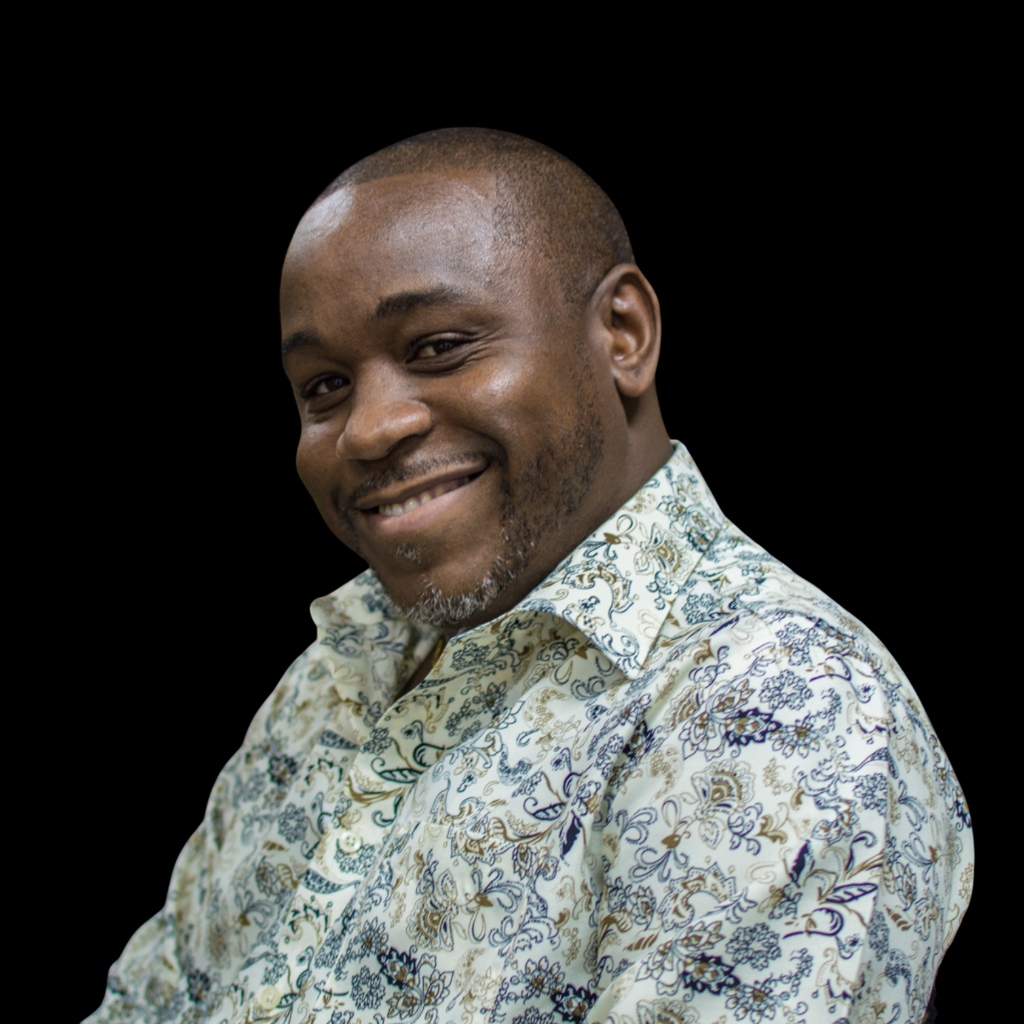
Short Bio
Mark Daniel is a Caribbean author, speaker, and social critic exploring religion, colonialism, identity, power, and intellectual freedom. A former pastor and Apostle of over three decades, he now writes and speaks as a public intellectual examining the systems he once defended from within.
Areas of Focus:
- • Religion and power
- • Christianity, colonisation, and slavery
- • Caribbean identity and decolonisation
- • African heritage and diaspora identity
- • Critical thinking and intellectual freedom
- • Public intellectual commentary and speaking